
Melbourne homes, outdated wiring can be a hidden danger. your lights flickering or a faint burning smell near an outlet, the culprit may be wires as old as your home! As a homeowner, you want to know that your house’s electrical heart is healthy. That’s where a licensed electrician Melbourne steps in. They follow strict safety rules and use professional know-how to swap old cables for new ones without risking shock or fire. In this guide, we’ll walk through why rewiring is crucial and how an electrician in Melbourne safely replaces outdated wiring, step by step. By the end, you’ll see why hiring a qualified electrician is the smart move for every Melbourne household.
Why Old Wiring Can Be Dangerous
Outdated wiring isn’t just an annoyance it’s a serious hazard. Old cables can overheat, fray, or lose insulation over time. In fact, old or damaged wiring is one of the leading causes of house fires in Victoria. An experienced electrician Melbourne homeowners trust can identify these hidden dangers before they become major safety issues. Melbourne homes built before the 1980s often used materials that don’t meet today’s safety standards. For example, houses wired with aluminium conductors are more prone to overheating and electrical fires than those with modern copper wiring.
- Flickering Lights or Tripping Breakers: If your lights dim or blink when appliances kick on, or if your circuit breaker trips frequently, it means the old wiring can’t handle modern loads.
- Warm or Scorched Outlets: Feeling heat or seeing burn marks around outlets is a clear danger sign. It indicates loose or deteriorating connections, which a Melbourne electrician will fix immediately.
- Odd Smells or Sparking: A burning scent or tiny sparks from a socket mean “stop call an electrician!” These are classic alarms of faulty wiring.
- Shocks from Outlets: Any tingling or shock when you plug in an appliance means grounding or insulation has failed. This is a medical-risk sign that your wiring isn’t safe.
Replacing old wiring not only cuts fire risk, it also brings your system up to current codes. Think of rewiring like a health check-up: it protects your family and your home’s value. A qualified electrician Melbourne knows all the signs above and will recommend a full rewire if needed.
How Do You Know It’s Time to Rewire?
Sometimes it’s obvious, sometimes subtle. Melbourne’s harsh weather and ageing homes mean many houses have wiring as old as 1950s brickwork. Here are a few bullet-point checks – if you tick any of these, call an electrician in Melbourne for an inspection:
- Frequent Breaker Trips or Fuse Blows: Older circuits may simply be overloaded by modern appliances.
- Lights Flicker or Dim: When you turn on an AC or oven and the lounge lights blink – outdated wiring is struggling.
- Two-Prong Outlets: This means your outlets lack a safety ground. A 3-prong outlet is the norm now.
- Warm Switches/Sockets: If switches or sockets feel warm, that wiring is too old.
- Metal Clad Wiring: Some very old homes have wiring strapped to walls in metal conduits; still legal but often replaced anyway.
- Knob-and-Tube or Rubber Wiring: Rare, but if you ever see cloth-wrapped (fabric) wires, they’re definitely a no-go by today’s standards.
Even if nothing dramatic has happened yet, it’s wise to not wait for disaster. A licensed electrician Melbourne will use professional tools during their inspection, revealing hidden faults. In Victoria, electricians must inspect and test your rewired system per AS/NZS 3000 before declaring it safe.
The Step-by-Step Rewiring Process by a Melbourne Electrician
Let’s walk through what happens behind the scenes when a pro replaces old wiring. Your electrician Melbourne follows a strict process that combines safety and efficiency:
- Full Electrical Inspection: A licensed electrician begins by examining your entire electrical system – from the switchboard to all circuits and outlets. This identifies hidden issues like loose connections or outdated components. It’s like mapping out enemy territory before making an attack plan. You’ll often receive a written report detailing what needs updating and why.
- Power Down & Lock-Out: Safety first. The electrician Melbourne homeowners trust will disconnect power at the main switchboard before starting any work. Per WorkSafe Victoria guidelines, they may remove the service fuse or flip the main breaker and lock it out. They’ll attach clear “Danger Do Not Turn On” tags so nobody accidentally re-energises the circuit. Think of it as putting a surgeon’s “Do Not Disturb” sign on the operating room door. Only once everything is confirmed off will they proceed.
- Removing Old Wiring: With circuits dead, the electrician carefully pulls out the ancient cables. This can be tricky in older walls sometimes it means removing small sections of plaster or floorboards. Every cable is labeled or mapped so nothing gets mixed up. As they remove wires, they’re on the lookout for damage. This debris removal is critical: it prevents any old insulated fragments from causing future faults. As Byrd Electrical explains, “We remove old, unsafe wiring, making sure all circuits are de-energised and compliant with Energy Safe Victoria rules”. Safety here means taking the time to do it correctly.
- Installing Modern Wiring: Now comes the main event – running new cable. An electrician Melbourne will install copper wires with PVC insulation. They place new cables through conduit or behind walls, securing them to avoid sagging or damage. Modern cables are color-coded for live, neutral, and earth so connections are foolproof. They’ll also fit up-to-date switchboards or fuseboards: this includes safety switches (RCDs) on each circuit for extra protection. In practical terms, this step is like giving your home a brand-new circulatory system. As one electrician’s blog notes, We install new wiring, safety switches, and a compliant switchboard. This upgrade supports today’s electrical loads…
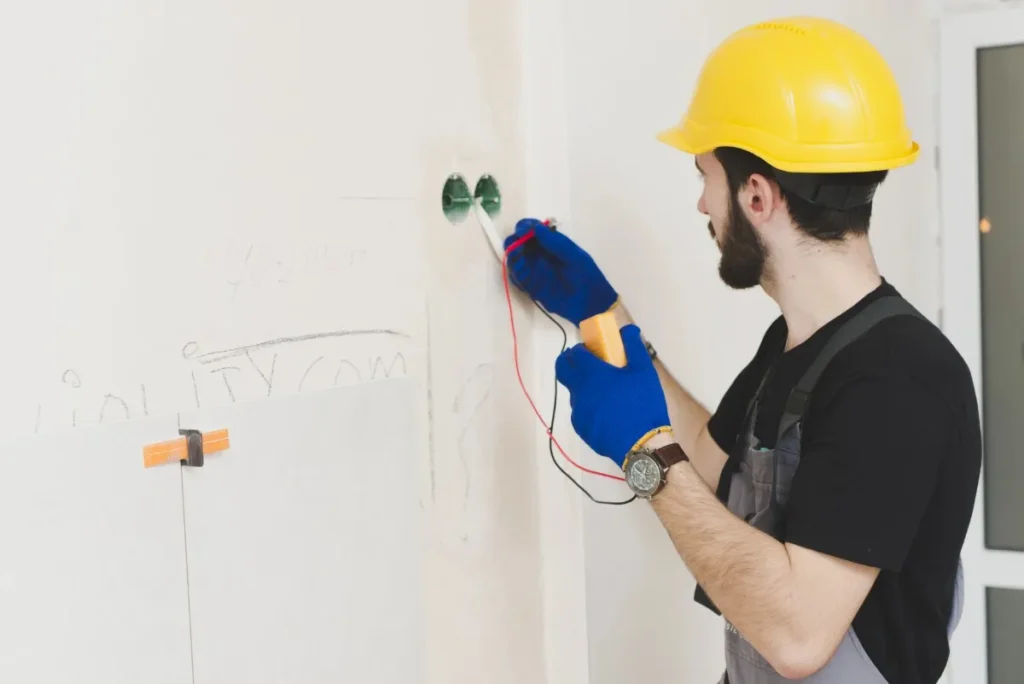
- Testing and Certification: With new wires in place, the electrician systematically tests each circuit. They use professional test gear to check insulation resistance, continuity, polarity, and that the new RCDs trip properly. This is required by law: every new circuit must pass AS/NZS 3000 testing in line with Safe Work Australia – Electrical Safety Standards. Only after all tests pass will the electrician energise the system. Finally, they fill out a Certificate of Electrical Safety, confirming your wiring is compliant. This Certificate is proof for you and future owners that the job meets Victorian standards. Without this official sign-off, your home isn’t legally up to code
Throughout these steps, your electrician works efficiently to minimise disruption. A typical house might take a few days to a couple of weeks, depending on size. They’ll also keep debris clear and walk you through the work, just as Bryd Electrical does in their “Final Safety Handover”, explaining the new switchboard and ensuring you feel confident with the changes.
Safety Precautions Every Electrician Follows
Working with electricity demands respect and rigor. A professional electrician Melbourne treats safety as non-negotiable. Key precautions include:
- De-Energise and Lock-Out: As mentioned, the first rule is to cut power to the work area. Electricians use lock-out/tag-out devices so circuits can’t be accidentally re-energised.
- Clear Signage: Large “Danger – Electricians at Work” tags are placed at the main switchboard or fuse box. This warns anyone else in the home not to flip switches mid-work.
- Protective Gear: Electricians wear insulated gloves, eye protection, and sometimes even arc-flash rated clothing if working on live systems. Safety mats or rubber tools might be used to prevent shocks.
- Safe Work Methods: For any high-risk tasks, a Safe Work Method Statement (SWMS) is prepared. This ensures the team has planned every step in advance. They’ll verify de-energisation with a meter – essentially treating every wire as live until proven safe.
- Following Standards: Every step follows AS/NZS 3000 and AS/NZS 4836 standards, plus local Victorian regulations. For example, water-affected areas get extra insulation as mandated by code.
These precautions are why DIY rewiring is strongly discouraged. In fact, Energy Safe Victoria bluntly warns homeowners: “DIY electrical work may look easy, but it’s extremely dangerous…you should always hire a licensed electrician.” An amateur might skip a sign or forget to check a circuit, risking electrocution or fire. But a licensed electrician Melbourne homeowners trust has the training and insurance to handle the job safely from start to finish.
Working with Licensed Electricians and Contractors
When rewiring, always hire a fully licensed electrician. In Victoria this means an “A Grade Electrician” or a Registered Electrical Contractor (REC). A reputable electrician Melbourne will carry this license, be insured, and issue the required paperwork. Here’s what good pros offer:
- Expertise & Authority: Professionals have years of experience with wiring in Victorian homes. They know local quirks and comply with Energy Safe Victoria rules. Bryd Electrical even notes that rewiring “brings your home into compliance with AS/NZS 3000…as required under Energy Safe Victoria regulations.” That’s the law, not just an option.
- Comprehensive Services: Beyond rewiring, most electricians also offer general electrical repairs services. This includes fixing outlets, upgrading switchboards, or adding new circuits. Some are industrial electrical contractors, meaning they handle big factory or warehouse jobs too. They provide industrial electrical services like high-voltage equipment wiring or preventative maintenance for businesses. Even for home projects, knowing your electrician is capable of complex lighting upgrades and solutions is reassuring. Many companies now advertise lighting upgrades services that can slash your bills. Why not ask your electrician Melbourne about swapping to energy-efficient lighting while rewiring?
- Quality Materials: Professionals use only approved Australian-standard components. Cheap, untested gear is a recipe for failure. Your electrician will install quality copper cables, brand-name safety switches, and correctly rated components.
- Warranty and Support: A licensed electrician typically guarantees their work. If a problem emerges, they come back to fix it. Plus, when selling your home, a certificate from a licensed electrician is a valuable selling point.
Above all, working with a licensed pro gives peace of mind. As one guide notes, improper wiring “can cause serious injuries, damage property, and even start fires.”. You want an expert on the job.
Beyond Rewiring: Other Electrical Services
It’s worth noting that electricians Melbourne don’t just do wiring – they handle nearly all electrical needs:
- Electrical Repairs & Maintenance: From fixing a tripped outlet to replacing a broken ceiling fan, electricians provide electrical repairs services for everyday problems. They’ll also service existing wiring to keep your system healthy.
- Industrial Electrical & Contractors: For businesses and factories, electricians offer industrial electrical services. They install machinery power supply, maintain control panels, and set up safety systems. Many electricians are registered industrial electrical contractors, meaning they can tender for big projects and follow industrial codes. If you run a small factory or workshop in Melbourne, look for these specialities.
- Lighting Upgrades and Solutions: Interested in modern LED lights or smart home systems? Electricians often handle lighting upgrades services as part of renovations. They can design lighting plans or install strip lights, outdoor lighting, motion sensors, etc. These lighting upgrades and solutions can improve mood and save energy.
In short, your electrician Melbourne is a one-stop electrical specialist not just a rewiring robot! They can advise on any project, big or small, ensuring everything is done safely.
Conclusion
Replacing outdated wiring isn’t a DIY Saturday project; it’s a critical safety upgrade that a licensed professional must do. We’ve seen how an electrician Melbourne homeowners trust carefully inspects the house, de-energises circuits, swaps old cables for new copper, installs modern switchboards and safety switches, then rigorously tests the work. These steps follow AS/NZS 3000 and local regulations, dramatically reducing fire and shock risks.
If you recognize any red flags in your home, don’t wait. You deserve a safe home, and only a qualified electrician in Melbourne can guarantee your wiring meets today’s standards. Contact a local licensed electrician, get a detailed quote, and protect your family. They’ll walk you through each step, issue the required compliance certificate, and leave you with a worry-free electrical system.
FAQs
How do I know if my house needs rewiring?
Look for signs like frequent breaker trips, flickering lights, burning smells, or warm outlets. Older houses (30+ years) often use outdated wiring. If in doubt, have a licensed electrician inspect the system.
Can I replace old wiring myself
No. DIY rewiring is extremely dangerous. Licensed electricians follow strict safety standards (lock-out, testing) that most people aren’t trained for. Energy Safe Victoria warns that electrical work by amateurs is “extremely dangerous”. Always hire a pro.
How long does rewiring a house take?
It depends on size and complexity. For a typical Melbourne home, expect a few days up to 1–2 weeks. The electrician must remove old wiring and carefully install new cables, which takes time. Rushing can compromise safety, so patience is key.
Will rewiring include a new switchboard and safety switches?
Yes. A full rewire by an electrician will update your switchboard and add up-to-date safety switches (RCDs) on each circuit. This is crucial for handling modern loads and protecting against shocks and fires.
Why do I need a compliance certificate?
In Victoria, any major electrical work must be certified. After testing, the electrician issues a Certificate of Electrical Safety, which proves the work meets AS/NZS 3000 standards. Without it, your installation isn’t legally finished.