
Electrical emergencies in commercial spaces can create serious safety and operational risks within minutes. For example, a busy Melbourne café experiencing a sudden power outage may face disrupted operations, frightened customers, disabled security systems, and increased fire hazards. Electricity is essential for lighting, equipment, security, and communication in modern businesses, so even a minor fault can quickly escalate into a dangerous situation.
According to Safe Work Australia, electrical shocks and workplace fires remain among the most significant electrical hazards in Australian workplaces. A rapid emergency electrician response helps reduce these dangers by identifying faults quickly, restoring power safely, and preventing further damage to property, equipment, and people.
Fast emergency electrical services are especially important for commercial properties in Melbourne because delays can lead to compliance issues, financial losses, and increased safety risks. Immediate professional attention can prevent electrical sparks, overloaded circuits, and damaged switchboards from turning into major incidents. Modern businesses also rely heavily on upgraded electrical systems, including switchboard replacements, security system installations, and energy-efficient electrical setups to maintain safe operations.
Quick-response electricians not only handle urgent repairs but also help businesses improve long-term safety and reliability. In high-pressure situations involving outages, electrical faults, or fire risks, having access to a skilled emergency electrician can make the difference between a minor interruption and a costly disaster.
When Small Sparks Become Big Problems
You know that old saying, “A stitch in time saves nine?” In electricity terms, it’s more like “A quick fix saves a firetruck!” Faulty wiring or overloaded circuits can start with a tiny spark. Without swift action, that spark can ignite insulation, wood or dust. In fact, nearly 40% of fires in Australia stem from electrical faults (wiring, appliances or devices). That’s almost half of all fires, a staggering share that highlights why quick fixes matter. For example, if a switchboard overheats at 2 AM and you only call an electrician the next morning, you risk a blaze. But if a 24-hour electrician arrives within minutes, they cut power, inspect the fault, and prevent ignition on the spot.
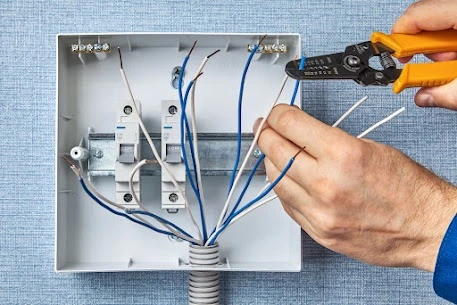
Think of it like a shaken soda can. If you open it slowly right away, nothing dramatic happens. But leave it closed for hours and then open it? Boom it sprays everywhere. Electrical faults are similar: delay the response, and pressure builds up. Overloaded circuits trip breakers or blow fuses (signs of strain). If ignored, heat and arcing create fire hazards.
A Melbourne story, for instance, involved a fire in a shop that started from an old switchboard fuse blowing multiple times before anyone called help. By the time firefighters arrived, flames had spread to walls and stock. A rapid-response emergency electrician could have identified the issue (in this case, an undersized fuse in a commercial building) and fixed it before the store turned into a fire scene. These professionals act fast to prevent minor electrical glitches from becoming major disruptions or injuries.
Key risks of delayed response:
- Overheated wires cause fires.
- Exposed live parts can shock staff or customers.
- Security and alarm systems go offline, making premises vulnerable.
- Equipment shutdowns cause downtime and lost revenue.
In commercial settings, even a short blackout can create chaos: elevators stop, alarms fail, data systems crash. That’s why “time is of the essence in electrical emergencies.” A quick reaction by an emergency electrician can nip the problem in the bud literally stopping a burning fuse before it sparks a disaster.
Hazard Spotlight: Electricity’s Hidden Dangers
Electricity is invisible, so its hazards often hide until it’s too late. Safe Work Australia lists the main ways electricity hurts people: direct contact with live parts, electric shocks and burns, faults causing fires, and even electricity igniting flammable atmospheres. In a busy office or factory, cables run everywhere: behind walls, under floors, through ceilings. Without routine checks, connections loosen and insulation degrades. Add a spilled drink or a sneaky mouse chewing a cable, and you have a live wire waiting to shock.
Because workplaces often have harsh conditions (dust, wet floors, heavy machines), electrical gear wears out. In factories or kitchens, cords get tugged and compressed; outdoors, heat and UV degrade cables. An emergency electrician is trained to spot these sneaky problems. For instance:
- Overloaded Circuits: When shops run lots of gadgets (heaters, lights, and coffee machines) on one circuit, it can exceed capacity. A prompt electrician can split loads or upgrade the circuit before wires melt.
- Faulty Safety Switches: Safety switches (RCDs) should trip instantly on a fault. If they’re ignored or broken, an electrician can replace them on the spot, preventing shocks.
- Hidden Damage: Damaged insulation or arcing may not show outward signs. An electrician’s meter can detect stray voltage, saving lives.
In short, electricians are the first responders for these hidden hazards. Workplaces have extra duties too: employers must ensure electricians carry out any repairs, not untrained staff. That is, fix-ups aren’t a DIY job. When things go wrong, calling a licensed emergency electrician means the fix meets Australian safety standards and the insurance company remains happy.
Downtime and Dollars: Business Continuity Depends on Speed
Beyond safety, there’s another cold hard fact: time is money. Every minute a business sits without power or with a damaged switchboard, productivity plummets. Melbourne’s cafés, shops, and offices rely on constant power for lighting, refrigeration, computers, and security. An unexpected outage at lunchtime means lost sales and a scramble.
Consider a boutique store in Melbourne’s CBD: if the lights fuse during peak hours, foot traffic stops. A rapid-response electrician can isolate the fault and restore power within an hour. If left longer, the store might lock up and lose a day’s revenue.
We can draw a quick table of some common electrical emergencies and their business impacts:
| Emergency | Immediate Risk | If Not Fixed Quickly | Electrician’s Role |
|---|---|---|---|
| Power outage | Safety (darkness), halt operations | Ongoing losses, security off-line | Diagnose fault, restore power fast |
| Tripping circuits / blown fuses | Overloaded equipment, fire risk | Equipment damage, worker injury | Redistribute load or upgrade circuit |
| Sparking switchboard | Fire, shock hazard | Property damage, evacuation | Replace faulty components instantly |
| Water on electrical fittings | Electrocution risk | Shut down until inspected (big loss) | Dry/test/fix leaks under power quickly. |
| Security alarm offline | Burglaries, breaches | Losses, liability | Fix alarm power/support battery backup |
The electrician’s fast arrival keeps safety measures online and shops open for business. Many commercial electricians now offer 24-hour response, meaning you can literally call them anytime even at 3 AM after a storm – and a professional will be there. In practice, 24-hour electrician services mean no downtime waiting for Monday.
Furthermore, the quick turnaround often saves businesses money. Emergency fixes can prevent damage to expensive gear (computers, HVAC systems) that would need costly replacement. Insurance companies often require proof of prompt repairs to cover claims. In essence, having an emergency electrician on call can prevent a minor glitch from ballooning into a multi-day disaster keeping both customers and auditors (or insurers) happy.
Switchboard Upgrades: Prevention is Better Than Reaction
A major commercial safety step is modernising the heart of the system: the switchboard. Old switchboards (especially with ceramic fuses or lacking RCD safety switches) are ticking time bombs. Lexity Electrical explains that outdated boards are more vulnerable to overload and fires. For example, buildings with ancient fuse boxes risk “increased chance of overload, electrical fires, and inadequate earthing.”
Upgrading switchboards before an emergency is a smart move. It ensures modern protections: circuit breakers reset after trips, safety switches cut power instantly on fault, and there’s capacity for today’s heavy electrical loads. In Victoria, building inspectors may even demand a switchboard upgrade during a sale or renovation.
If a business defers this upgrade, they rely on emergency electricians for reactive fixes. But with a certified upgrade, the system is inherently safer. Hence, an emergency call might simply be routine (reset a breaker), not a fire alarm.
Here’s why timely electrical switchboard replacement matters:
- Fewer Fire Hazards: Modern boards have surge protection and meet AS/NZS safety codes.
- Less Chance of Shocks: With RCDs on every circuit, faults cut out instantly.
- Compliance: Passing safety audits keeps insurers and regulators satisfied.
- Peace of Mind: Staff can plug in equipment worry-free.
When a business does call an emergency electrician post-upgrade, it’s usually for minor repairs or installations (like adding a new line for an office). Without that upgrade, every emergency job is a scramble. So the fastest emergency fix is often not needing one, thanks to proactive upgrades.
Guards of the Gate: Security Systems and Power
Today’s businesses intertwine electricity with security. Alarms, card readers, CCTV cameras they all need power. An outage or fault can mean gaps in security, even threats to life. Melbourne stores often have silent alarms linked to local police; if electricity hiccups, criminals might exploit the lull.
An emergency electrician isn’t just about lights and plugs. They can restore crucial security system installations on the spot while following Safe Work Australia – Electrical Safety standards. For example, if a security panel fails, an electrician can rewire it or hook up a backup battery. The Briggs Electrical team points out that “as soon as your security system stops functioning, you become vulnerable.” This is why you can count on them for repairs and upgrades. In other words, a broken alarm is more than an inconvenience; it’s a serious safety risk.
Even something like home security installation ties into this concept. If a business provides overnight staffing or if sensitive data is stored onsite, alarms must work 24/7. Modern electricians install seamless backup power for these systems. So in a blackout, doors still lock electronically and cameras stay recording, with an electrician ensuring switches seamlessly to generator power. That’s another behind-the-scenes benefit of having emergency electrical services: peace of mind around the clock.
Preventing Panic: Training, Testing, and Trust
Of course, even before the emergency call, good companies keep staff prepared. Workplace safety includes drills and labeling, e.g., clear signage for “In case of electrical fault, switch off main & call electrician.” Many businesses also do periodic testing (“tag and test” programs) to find issues first. But no amount of training or inspection can replace having a trusted electrician on speed-dial.
Commercial electricians often advise that businesses maintain an “emergency electrical plan” contact lists, alternate power sources, and a 24/7 electrician ready. Some larger complexes even have on-site electricians for immediate fixes. For small businesses, knowing a licensed emergency electrician and having their number handy is critical. WorkSafe Victoria explicitly notes that only competent and licensed electricians should inspect and test electrical installations. This underscores the need for professional help, fast, when trouble looms.
In a way, the emergency electrician is the lifeguard of the electrical pool. You hope you never need them, but if a shock hits (literally or figuratively), you want someone certified diving in without hesitation. Their expertise comes from years of hands-on experience that’s the “experience” part of EEAT and you’re building trust by knowing they’ll answer 24/7.
Conclusion
In the end, the message is crystal clear: rapid response is the winning move in electrical emergencies. It saves property, prevents injury, and keeps your Melbourne business operational. The story of one Melbourne bakery owner stands out she said her usual after-hours electrician literally showed up at 1 AM to restore power after a storm. The next day, they praised her preparedness (and quick call) for avoiding costly delays.
Every commercial owner should ask: is an emergency electrician part of my safety net?” If not, it’s time. Upgrading old switchboards, installing safety devices, and having a trusted 24/7 electrician transforms uncertainty into security.
Stay sharp, stay safe, and remember when sparks fly, an emergency electrician’s swift help is worth its weight in gold (or at least the value of a saved business!).
FAQs
Why should I call an emergency electrician instead of waiting?
Because a rapid emergency electrician stops small faults (like sparks or tripped circuits) from turning into big hazards (fires or injuries). Quick response means safety and less damage.
What is a 24 hour electrician vs. an emergency electrician?
A 24-hour electrician is available day/night for any electrical issue. An emergency electrician specializes in urgent repairs (like power failures or fire risks) and typically responds even faster, often within an hour.
When do commercial sites need a switchboard upgrade?
If your building has old ceramic fuses, frequent breaker trips, or lacks safety switches, it’s time for an electrical switchboard upgrade. Modern switchboards reduce fire risk and comply with safety laws.
Does insurance cover emergency electrical work?
Often yes insurers require timely repairs to prevent larger losses. An emergency electrician’s report can prove you acted quickly to mitigate damage, which helps with claims.
Can emergency electricians install security systems?
Yes. Many licensed electricians (especially those offering security system installation or home security installation) handle alarms, CCTV and backup power. Fixing your alarm panel in an emergency is part of their job.
How can I stay safe between electrician visits?
Regular maintenance and testing are key. Avoid DIY on electrical gear. Always have a trusted emergency electrician on call so you can act fast if an issue arises.